How Professional Graffiti and Property Damage Resolution Restores Your Property’s Value

February 20, 2026

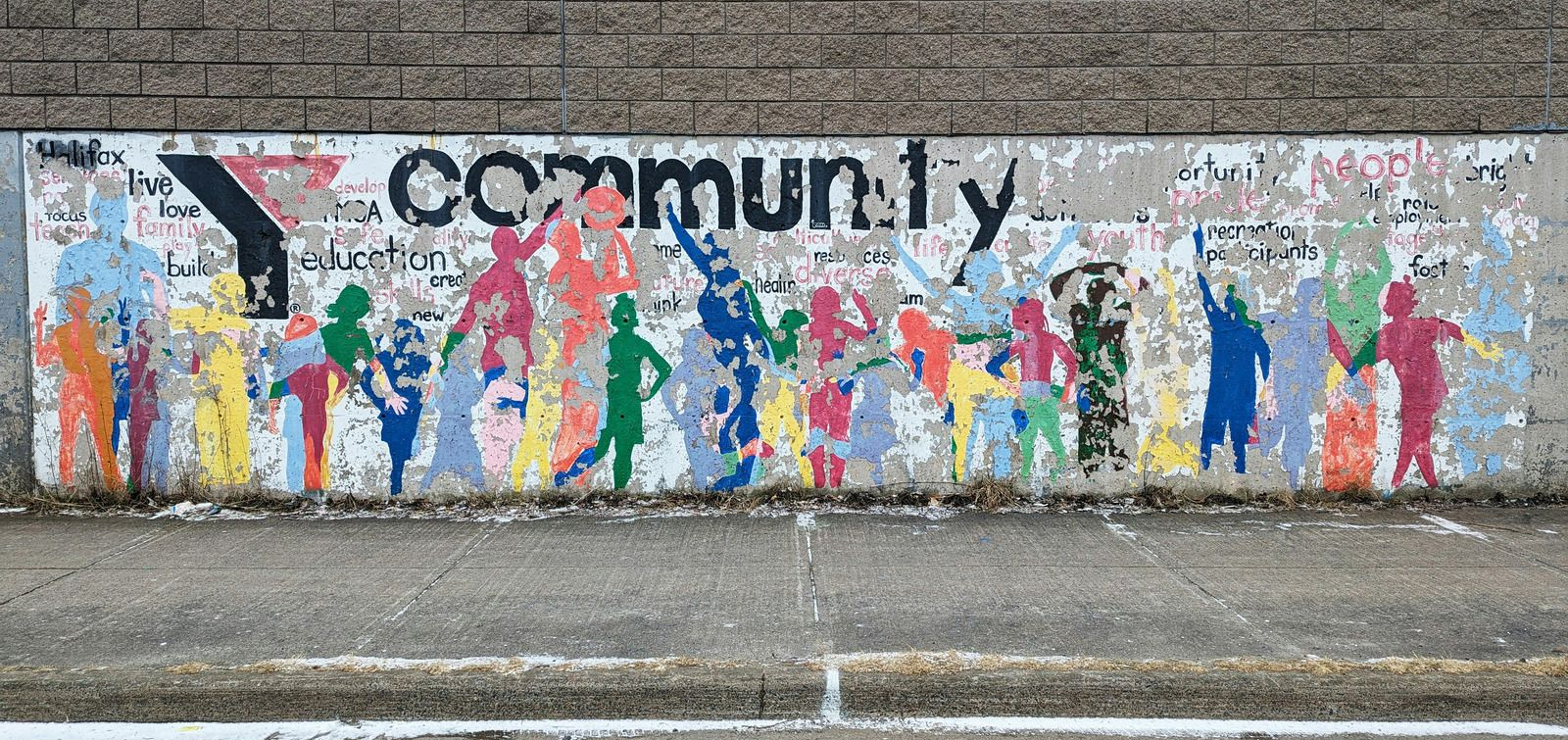
Graffiti and property damage are more than just cosmetic issues; they pose a significant threat to property value, neighborhood perception, and community safety. Unaddressed vandalism can create a cascade of negative effects, from reducing tenant satisfaction to deterring potential buyers or clients. For property owners and managers, swift and professional intervention is not just a matter of aesthetics—it’s a crucial step in preserving both the financial and social value of their investments. Left unchecked, these issues can also invite further criminal activity, accelerate property deterioration, and create ongoing maintenance burdens that become increasingly costly over time. Proactively addressing graffiti and damage demonstrates a commitment to community standards and long-term property stewardship, reinforcing confidence among tenants, neighbors, and visitors alike.


Professional graffiti removal and property restoration services provide a structured approach to tackling these challenges. These services leverage specialized tools, chemical treatments, and expert techniques to ensure surfaces are returned to their original state without causing additional damage. Beyond immediate cleanup, professional intervention helps maintain compliance with local regulations, prevents recurring vandalism, and safeguards the long-term appeal of commercial and residential properties alike. Additionally, these services often incorporate preventive strategies and surface protection measures that minimize future incidents, helping property owners maintain value efficiently. By prioritizing expert-led solutions, property owners can not only restore the visual integrity of their spaces but also reinforce their reputation, protect their investments, and uphold the value of their property over time.

Understanding the Impact of Graffiti and Property Damage

Economic Implications

Property damage and graffiti have direct financial consequences. Commercial spaces with visible graffiti may experience reduced foot traffic, lower rental income, and increased maintenance costs. In residential neighborhoods, vandalized properties can depress nearby home values, making it harder for owners to sell or lease. According to real estate studies, properties affected by repeated vandalism can lose up to 10–15% of their market value if left unaddressed. The cost of unplanned repairs often escalates the longer damage persists, further emphasizing the need for immediate action.

Social and Community Effects

The presence of graffiti can also impact the social perception of a neighborhood or business district. Graffiti is often associated with crime, neglect, or disorder, creating an environment where safety and cleanliness are questioned. This perception can reduce community engagement and lower consumer confidence for commercial properties. For residential areas, prolonged property damage can erode neighborhood pride and foster a sense of vulnerability among residents.

Regulatory and Legal Considerations

Many municipalities enforce ordinances requiring property owners to remove graffiti within specific timeframes. Failure to comply can result in fines, legal action, or municipal cleanup charges. Professional graffiti removal services help property owners adhere to these regulations efficiently, minimizing legal and financial risk. By understanding the multifaceted impact of property damage, owners are better equipped to prioritize restoration strategies that protect both value and community reputation.

The Advantages of Professional Graffiti Removal

  • Expertise and Specialized Techniques

    Professional restoration teams are trained to handle a wide variety of surfaces, from brick and concrete to metal and glass. They employ specialized cleaning solutions and techniques that remove graffiti without damaging the underlying material. For example, pressure washing, chemical solvents, and environmentally safe graffiti removers are applied based on surface type, ensuring thorough cleaning while maintaining structural integrity.

  • Preventing Recurrence

    Beyond immediate removal, professional services often incorporate preventive measures to reduce future incidents. Anti-graffiti coatings, for instance, create a barrier that makes surfaces easier to clean and less attractive to vandals. Additionally, some experts conduct site assessments to identify high-risk areas, recommending lighting, surveillance, or landscaping adjustments that discourage vandalism.

  • Time and Cost Efficiency

    While DIY removal might seem cost-effective initially, improper techniques can cause lasting damage, increasing long-term expenses. Professionals not only remove graffiti quickly but also protect surfaces, extending the lifespan of exterior materials and reducing recurring maintenance costs. This efficiency allows property owners to regain control of their environment faster, maintaining operational continuity for commercial spaces or preserving curb appeal for residential properties.

  • Real-World Scenario

    Consider a downtown storefront targeted by multiple graffiti incidents over several months. A business owner attempts self-cleaning with household chemicals but damages the paint and underlying brick. Hiring a professional service not only restored the façade to its original condition but also applied an anti-graffiti coating. Within a year, repeat vandalism was easily removed without lasting damage, protecting the property’s market appeal and operational stability.

Property Damage Restoration: Beyond Graffiti

Addressing Structural and Surface Damage

Graffiti is often accompanied by additional property damage, such as broken windows, defaced signage, or scratched surfaces. Professional restoration goes beyond superficial cleaning, addressing structural and aesthetic issues comprehensively. This includes repairing damaged materials, repainting, and restoring textures to ensure that the property appears intact and well-maintained.

Mitigating Long-Term Deterioration

Unattended damage can accelerate material degradation. For instance, scratches or exposed surfaces can lead to rust on metal or moisture infiltration on wood, compromising structural integrity. Restoration professionals assess these risks and implement appropriate repair strategies, such as sealants, protective coatings, or material replacements, which prevent minor damage from escalating into costly repairs.

Insurance and Documentation Support

Professional restoration teams often provide detailed documentation of damage and repair processes. This is critical for insurance claims, offering clear evidence of vandalism, repair costs, and mitigation steps. Proper documentation ensures smoother claim approvals and financial reimbursement, easing the administrative burden on property owners while guaranteeing that restoration aligns with industry standards.

Example of Effective Restoration

A residential property in an urban neighborhood suffered repeated graffiti and minor physical damage. A restoration service was engaged to remove graffiti, repair damaged siding, and repaint affected areas. The comprehensive approach not only restored visual appeal but also preserved the structural integrity of the home, preventing long-term deterioration and maintaining property value for resale.

Preventive Strategies and Best Practices

  • Implementing Deterrent Measures

    Preventing graffiti and property damage is often more cost-effective than repeated remediation. Effective deterrents include surveillance cameras, improved lighting, and physical barriers such as fences or landscaping. These measures discourage vandals and increase the likelihood of identifying perpetrators, thereby reducing the risk of recurring incidents.

  • Anti-Graffiti Coatings and Surface Treatments

    Applying protective coatings to surfaces creates a long-term defense mechanism. These coatings form a barrier that resists paint and ink penetration, allowing graffiti to be removed more easily without damaging the substrate. Regular maintenance of these coatings ensures sustained protection, particularly for high-traffic commercial or residential areas.

  • Community Engagement and Awareness

    Active community engagement plays a significant role in preventing property damage. Neighborhood watch programs, collaboration with local authorities, and public awareness campaigns can deter vandalism. Properties maintained with pride and attention are less likely to become targets, and community vigilance helps enforce accountability among residents and visitors.

  • Staff Training and Property Management Policies

    For commercial properties, staff training on identifying early signs of vandalism and implementing rapid response protocols is essential. Establishing internal property management policies ensures that minor incidents are addressed immediately, minimizing escalation and protecting the property’s overall value.

Measuring Success and Maintaining Value

Evaluating Restoration Outcomes

The success of professional graffiti and property damage resolution is measured not only by visual improvement but also by enhanced property value, tenant satisfaction, and community perception. High-quality restoration work ensures that surfaces are fully restored, damage is mitigated, and preventative measures are effective.

Long-Term Financial Benefits

Investing in professional resolution yields tangible financial returns. Properties maintained free of graffiti and damage attract tenants and buyers more readily, retain higher market value, and require fewer costly repairs over time. By preserving curb appeal and structural integrity, owners protect their investment and enhance potential revenue streams.

Maintaining a Proactive Approach

Sustaining property value requires ongoing vigilance. Scheduled inspections, routine maintenance, and periodic updates to protective measures ensure long-term success. Property owners who adopt proactive strategies benefit from lower remediation costs, enhanced community reputation, and minimized downtime for commercial operations.

Real-World Example

A mixed-use commercial building engaged a professional restoration service after repeated graffiti incidents. Post-restoration, anti-graffiti coatings were applied, lighting improved, and staff trained to respond quickly to any new damage. Within a year, tenant satisfaction increased, vandalism incidents decreased, and the property’s market value remained strong, demonstrating the long-term effectiveness of professional intervention.

Reliable Restoration Services Protecting Your Property’s Worth

Addressing graffiti and property damage is essential for protecting the financial, structural, and social value of any property. Professional resolution ensures not only that surfaces are restored efficiently and effectively but also that long-term preventive strategies are implemented to deter future incidents. From economic considerations and legal compliance to community perception and tenant satisfaction, the benefits of professional intervention are extensive and measurable.


Agnes Contracting Group, a trusted general contractor based in St. Louis, Missouri, brings 10 years of industry expertise to property restoration and maintenance. Our team combines advanced techniques with a client-focused approach, ensuring that every project—from graffiti removal to structural repairs—is handled with precision, care, and efficiency. We prioritize long-term value preservation, using best practices and innovative solutions to protect your investment. With a commitment to reliability, transparency, and excellence, Agnes Contracting Group stands as a dependable partner for property owners seeking professional restoration services. Our experience ensures that your property’s value, appearance, and community reputation are safeguarded for years to come.

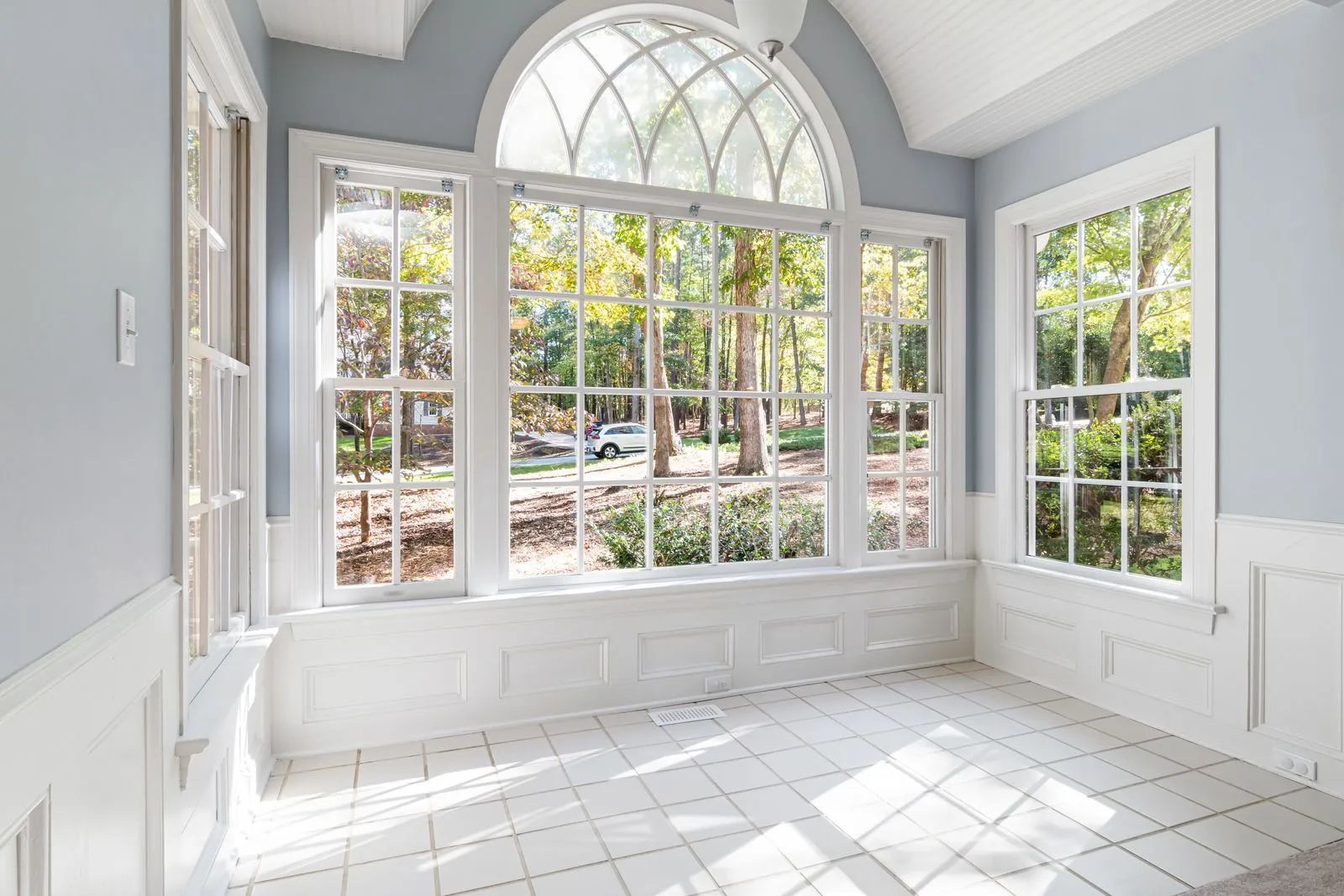
Sunroom with white windows and molding, blue walls, and sunlight on the white tiled floor.
January 21, 2026
Windows are more than just aesthetic features in a home or commercial building; they are crucial components that significantly influence energy efficiency. Properly installed and well-maintained windows act as barriers to heat transfer, reducing the load on heating and cooling systems and lowering energy bills.
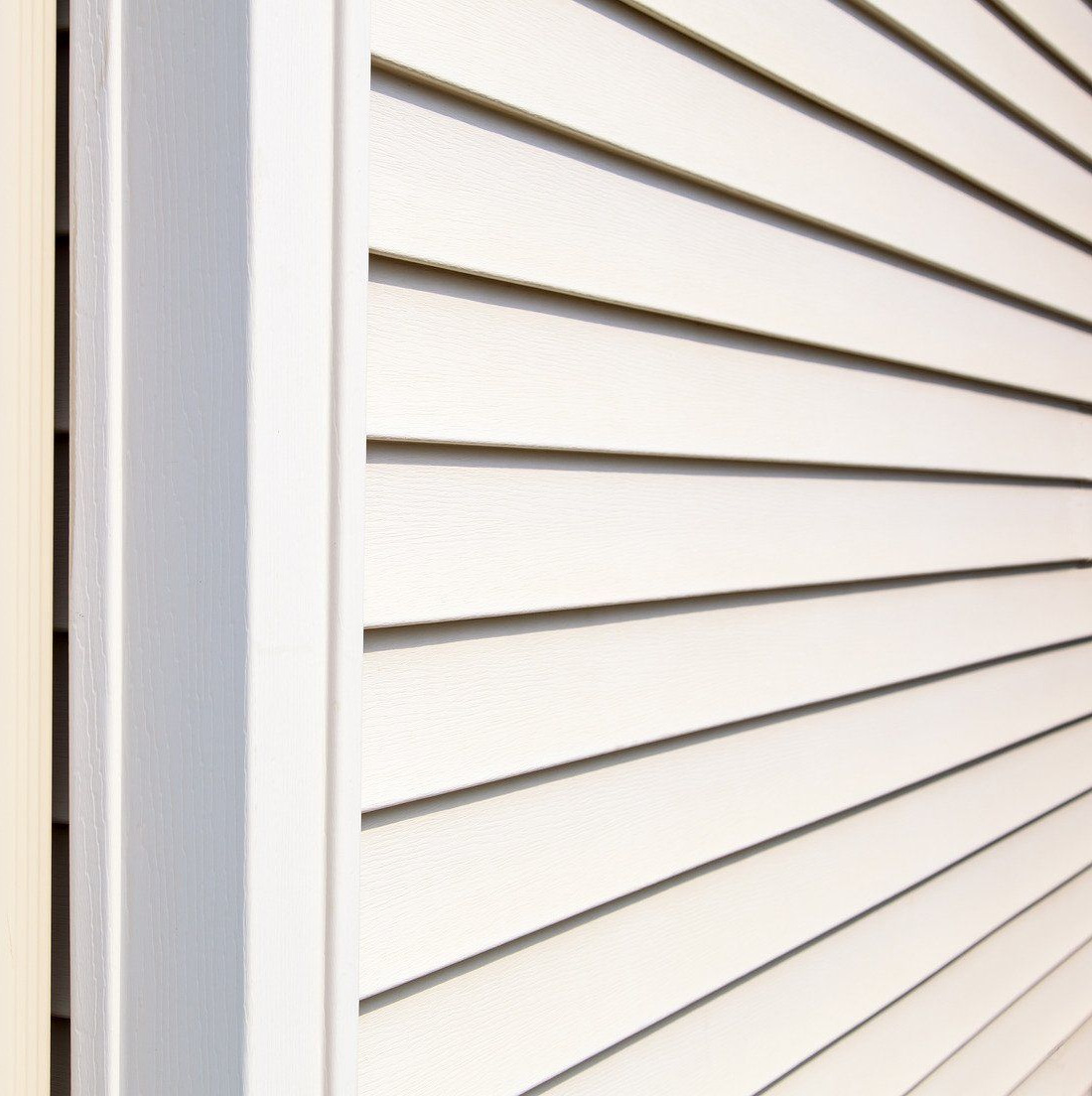
White horizontal siding with corner trim, lit by sunlight.
December 23, 2025
The exterior of your home is much more than just a façade; it’s the first impression for visitors, the first line of defense against the elements, and a critical factor in your property’s overall value.
Two-car garage with open door, vehicle inside. Beige siding, black gutters, driveway, sunny day.
November 24, 2025
Your home’s gutters are more than just a decorative element—they are a vital defense system against water damage. Improperly maintained or poorly installed gutters can lead to roof leaks, foundation cracks, and landscape erosion, all of which can result in costly repairs.
Show More
Sunroom with white windows and molding, blue walls, and sunlight on the white tiled floor.
January 21, 2026
Windows are more than just aesthetic features in a home or commercial building; they are crucial components that significantly influence energy efficiency. Properly installed and well-maintained windows act as barriers to heat transfer, reducing the load on heating and cooling systems and lowering energy bills.
White horizontal siding with corner trim, lit by sunlight.
December 23, 2025
The exterior of your home is much more than just a façade; it’s the first impression for visitors, the first line of defense against the elements, and a critical factor in your property’s overall value.
Two-car garage with open door, vehicle inside. Beige siding, black gutters, driveway, sunny day.
November 24, 2025
Your home’s gutters are more than just a decorative element—they are a vital defense system against water damage. Improperly maintained or poorly installed gutters can lead to roof leaks, foundation cracks, and landscape erosion, all of which can result in costly repairs.
Show More